Lessons I’ve Learned the Hard Way – I’m happy to tell you what I’ve learned so you might be able to learn from my mistakes and avoid learning the hard way.
We’ve just met so it would be inappropriate for me to discuss politics with you. I think it would be silly, however, for me to pretend that there aren’t a lot of politics swirling around us. Plus, today is September 11th, which brings up moral outrage and political questions for most Americans.
Even before you could vote, each of you already mattered. (If you aren’t 18 yet, please know: No one will card you at a protest or when you call your elected representatives.) Now, here you are now, college students and voters. I have no idea what in particular each of you care about, how your politics animate you. What I do know is that – fighting for justice has been part of Jewish tradition since Abraham.
The Akeda(Genesis 22) – Hillel’s prayer book (machzor) provides the Creation story for our Torah reading today which would be a lovely, carefree way to enjoy the beginning of a new Jewish year, but Jewish guilt won’t let me let you do that. The second choice in our prayer book is the story of the Akeda. Jews all over the world are reading the Akeda – what Jews call “the binding of Isaac” – for Rosh HaShanah. Most of us dislike this text. It’s painful. It’s about suffering, questions, confusion, and terrible parenting. In a few minutes – I promise I’m not going to talk for very long now – we will read a horrible story. God commands Abraham to take his favorite son up to a hill, build a fire, and cut his throat (Gen 22:2).
Abraham stands over Isaac, knife in hand and is interrupted at the last moment by an Angel of God shouting his name – Abraham, Abraham!…Sacrifice this ram instead. (Gen 22:11-13) Phew. Isaac is saved from death. Abraham is saved from committing a heinous crime. God reassures Abraham – or maybe God is reassuring God’s own self – Abraham passed this test. Abraham is a real God-fearer (Gen 22:12). He was willing to kill his favorite son.
Do you think that Abraham should have rejected this command? Do you think that God should have apologized? Do you blame Isaac for never talking to his dad again? How could Abraham have known that this order was “true” or “real” or “holy”? Does this story make you hate Abraham – even just a little? [Are you distracted by the fact that he even had a favorite son?] I have a million of questions about this text for y’all, but I’m trying to just give one short sermon this morning.
Two Different Abrahams – Just 4 chapters ago in Genesis 18, Abraham heard God was going to destroy the cities of Sodom and Gomorrah. Abraham confronts God fearlessly. Abraham condemns God’s plan as unjust. Abraham bravely bargains with God to save the lives of a group of people he doesn’t even know. Where was THAT guy on the morning God commanded Abraham to kill Isaac? Is there something that Abraham knew that WE can’t know that made it possible for him to follow this terrifying order? How can we listen and read critically? How can we evaluate what we hear and see? How can THAT guy from Genesis 18 be the same Abraham we encounter in Genesis 22 ready to murder his son?
*If the order of these texts were flipped, the narrative of Genesis could be teaching us how to become ever more thoughtful and brave in the face of injustice. However, at this point, the Torah is in the order it’s in. (This would be a useful moment to discuss the way Torah became what it is today, but I promised Jessica that services would end before lunch.)
I searched for answers, and, instead of hating Abraham and the Akeda story, I’ve decided that we get to learn this lesson anyway. It is better to stand up than to keep our head down and meekly follow rules. The Torah is telling us to evaluate what we hear and see – to stand against dangerous consequences. It’s about being true to ourselves – while trying to draw near to what we perceive as divine.
Hineni– So, it is each of our responsibility to stand up for whatever WE care about, whatever WE are passionate about. Stand up. Speak up. Embody OUR passions. Collect donations. Make phone calls. Join a campaign. Vote. Volunteer. Read articles critically and share the few that stand up to your criticism. Embody your concerns for the world. Be like the Abraham who doesn’t make us cringe. Be like the Abraham who protested injustice. (Gen 18:23-25) Follow the Abraham who focused on what was right for the most people, even the ones he didn’t know.
A lot of people – when they hear about how I observe Judaism, they say: “Well, obviously, that doesn’t count since you are a rabbi.” I don’t eat bacon. I don’t fly on Shabbat. I do a lot of things that people think of as “inconvenient” or “unrealistic.” But a lot of people think I do this because I am super into Judaism and because I’m a rabbi. The truth is: A lot of the super Jewy things I do, I started doing them by mistake.
Part One: Shabbat – I fell into my observance of Shabbat. When I lived in NYC, I noticed that my money kept disappearing. In an attempt to put a stop to the leak, I quit spending money on Shabbat. I figured – if I could take 25 hours off from spending money, then maybe I could better understand where my money was going. I thought it would force me to plan ahead and to use money more wisely. It did.
To be fair, New York City is alive, awake, and waiting to take your money every minute of every day. I rebelled against the financial expectations of the so-called real world. It’s true that this idea is particularly Jewish. I might have been influenced by the culture of rabbinic school at the time. I still don’t spend money on Shabbat – which means I don’t go to stores or restaurants. It means that I have to plan ahead and I have to get my fun for free. Eating lunch at Hillel is free, and lots of other amazing things are free. Parks are free. Making and eating meals with friends at home is free – if you shop before Shabbat. I consistently plan ahead for Shabbat. Then, whatever I don’t have on Friday afternoon, I just live without.
In this way, just like AJ Heschel promised, Shabbat has become a true island in time for me, an island that welcomes my friends and family. Shabbat has become a healthy break from the cycle of consumerism that occupies the rest of the week, a break in the 24-hour news cycle that raises my blood pressure Sunday through Thursday. [Also, I’m not a jerk about it. If I’m staying at someone else’s house over the weekend, I don’t impose my customs on them, but I do ask in advance what we can plan without inconveniencing them too much.]
Part Two: Kashrut – I backed into observing kashrut, Jewish dietary laws. At the beginning of my studies at Hebrew Union College – Jewish Institute of Religion, I lived in Jerusalem for a year. I ate my last crab in Jerusalem, and it was delicious. I still remember it well. I didn’t decide then that was going to be my last bite of shellfish. (Lev 11:10-12) Rather, I realized at the end of the academic year, that I had been choosing not to order shellfish and not to mix meat and milk. At this point in 2018, my house is kosher. I have four sets of dishes and only kosher meat has entered the house. If I were actually planning my observance of kashrut, I would have planned it this way – that my kitchen is kosher so my friends from all Jewish denominations can come over to eat with me. Though I didn’t plan it – my kashrut and my values developed together in the same direction with a result that feels authentically Jewish and authentic to my values. At this point, kashrut has brought mindfulness and a sacred nuance to my eating habits that I never would have expected.
Part Three: Kippot – I stumbled into wearing a kippah. Actually, my kippah story is the worst example. In this case, REALLY don’t be like me. Once, a long time ago, after a break up, I cut off all my hair (as one does). I started teaching kindergarten shortly after that and I wore a kippah because it was an easy way to get my kindergarteners to think about the difference between prayer and other stuff like arts & crafts and singing, learning and playing. My hair grew out, and kippot started flopping around on my head. They wouldn’t stay still. So I quit wearing them. This floppy ritual practice wasn’t “speaking to me” so I quit.
Twenty years later our new president proposed a way to register Muslim citizens. In response, a lot of Jews ranted about the Holocaust. I ranted about the American internment of Japanese families in California, in 1942. Filled with both anger and hope, I promised my Muslim friends: “Don’t worry. Japanese Americans and Jewish Americans won’t let this happen to you.”
Around then, my friend David wrote an article in a Jewish paper about how he resolved not to be a member of an invisible minority anymore. He started wearing a kippah (yarmulke) every day. The same week his article was published, I was preparing to go to a conference in San Antonio. David and his mother Glenda suggested that I try wearing a kippah. (Basically, I started wearing a kippah because my friends did.)
I wore a kippah to the conference – it was a biblical studies conference, filled with mostly Christians, a few Jews, and even fewer Muslims. My kippah was an amazing conversation starter. Because of that kippah, I met incredible people, I had meaningful conversations. The author of a book I had read and loved introduced herself to me because of my kippah. And after that weekend, when I’m studying or when I’m praying, I wear a kippah. Wearing a kippah has elevated my learning and my prayer – in unexpected and wonderful ways – reminding me to stay connected to the Jewish tradition and to the Divine Source of All.
Part Five: Conclusion – Don’t be like me. Not only are my Jewish observances somewhat half-baked and backwards, they are also based mostly in habit and guilt and moral outrage. I fell into most of my Jewish observances. I stumbled into them without thinking much at all. You don’t have to be like me. You all have the choice to think critically about your Jewish observances. To be proactive, not reactive. A lot of rabbis would not tell you to experiment. They would tell you to learn and then do. But me, I’m the opposite – like it says in Exodus 24:7 נַעֲשֶׂ֥ה וְנִשְׁמָֽע׃ – Na’aseh v’nishma. We will do and then we will understand.
Like many, many aspects of Judaism there are multiple authentically Jewish ways to observe Shabbat, to eat mindfully, to be part of the Jewish community. Another day, I could give a whole sermon about how to make authentically Jewish decisions.But not tonight.Tonight, I’ll simply say this: Neither the Hebrew Bible nor the Jewish prayerbook stand alone. It is our responsibility to reach across space and time – to the Jews of the past, present, and future – to the Jews all over the globe.
To find out how to “do Jewish” in an authentic way, think about the Jews of the past, the Jews of the present, and the Jews of the future. Think about the commandments (Exodus 20 and Deuteronomy 5) and think about the traditions of Jews around the world. And then look at yourself. Be authentically Jewish AND be your authentic self.
I have only met a few of you so far, and we’ve only spent a short time together, but I already believe in you. You are here tonight, aren’t you? So, I believe in your ability to make conscious, thoughtful, Jewish choices. On behalf of the rabbis and educators, camp directors and cantors, Hillel staff members and Sunday School teachers who love you, THANK YOU for keeping Judaism and the Jewish community authentically Jewish while reflecting the images of all of you.
I realized by reading and teaching a gardening curriculum for HeadStart that 1. While the curriculum does acknowledge that gardening might be completely new to students, 2. It does not acknowledge that many adults also have no experience with gardening. How can someone teach gardening when it’s completely new to them?
My lesson plans/curricula are not better than anyone else’s. Mine are different because (1) I’m trying to start before even the first step; and (2) I put my contact info below so I can actually work with you! If you are near Austin, Texas, I can even come work in your garden and/or your classroom.
I aim to be a support to anyone teaching gardening – any teacher who is rushed and busy, anyone who is new to gardening, anyone who is new to teaching gardening.
Please let me help your school, your class, and your teachers teach and enjoy gardening. My website is free, of course. If you want/can, I will let you pay me to come help with your lessons – from planning to execution. [Yes, I often volunteer, but I also need to get paid sometimes. To invite me to come help your school, please email me with GARDEN in the subject heading and include your school’s info as well as your own contact info. rabbilippe@gmail.com]
LESSON PLANNING
Here are some sampleGoals, Objectives, Vocabulary Words, and other info to mix and match for your lesson plans. Please pick the ones most suitable for your work.
Sample Goals – The leaders of this lesson/course/curriculum aim to: Introduce basic values of gardening; Introduce students to the origins of our foods – especially fruits and vegetables, but also grains; Introduce the phrase “busy as a bee;” Introduce the life cycle of a tomato or another vegetable (or fruit or flower); Provide opportunities for students to watch a seed grow into a seedling (and hopefully into a plant); Provide opportunities for students to harvest something they helped grow; Explain what wildlife contributes to the garden – including but not limited to butterflies, caterpillars, bees, birds, dragonflies, and more.
Sample Objectives – By the end of this lesson/course/curriculum, participants will be able to: Identify the roots of a plant. Describe what the roots of a plant do; Identify three contributions gardening offers to the earth; Identify the life cycle of a tomato; Identify the life cycle of a butterfly; Taste something straight from the garden; Taste a new vegetable; Identify five vegetables; Describe at least one pollinator; Explain the phrase “busy as a bee.” Identify a bee; Describe how a seed becomes a plant; Identify a worm and what worms eat and excrete; Describe the difference between sun and shade and more.
Many Humans Garden to: connect with the earth; connect with their foods; avoid buying vegetables and fruits that come wrapped in plastics and/or travel many miles; homegrown foods taste better; save money. Additionally, many organizations find that both physical and mental health can be improved by gardening – especially because planting seeds and watching them grow increases our investment in the future and builds our hope and resilience.
Integration with other Skills/Curriculum
In order to garden, you WILL use math and science.
Related Topics: math & measurement; time, schedules, calendars; patience; teamwork; the scientific method; scientific inquiry; and more. Remember: it goes both ways! Once you start gardening, you can always use examples from gardening in other lessons.
Also, all gardens and gardeners include some death and dying. Some plants are annuals so they will absolutely die at the end of their year. My gardening teacher told me – if you have never killed a plant, you’re not really a gardener. I have observed that gardeners of all ages learn to handle death and dying in the garden with perspective. Adding dead plants to your compost* pile is a way of giving them a “new life.” Be Prepared to talk about death and dying – especially with younger students who are associative thinkers and don’t really filter their thoughts/reactions. They might bring up other deaths or their questions about what happens during or after death.
My Basics: (A)When you are growing something in a pot, the pot requires drainage. If it doesn’t have holes in the bottom for drainage, do not put a plant in it. (B) Feeding the soil sounds weird, but soil needs organic material to grow healthy plants. The easiest way to do gardening is to always buy compost.* If you are trying to grow most vegetables and most flowers, you need compost.* [There are different kinds of soil. Potting soil doesn’t contain much nutrition. If you use potting soil outside, it usually gets washed away in the rain or even when you water. Garden soil is heavy and isn’t great for draining. Using old compost is not advisable unless you can mix some fertilizer or something rich into it. Throw that old compost into the compost heap for later] (C) Don’t forget! It is easier to learn and remember what feels interesting and relevant.Everyone eats. Everyone needs to eat. Therefore, growing food is naturally relevant and interesting to human beings. (D) The plants and gardens surrounding us become more interesting and more relevant as soon as a person begins experiencing even a tiny garden, even just one plant! (E) MULCH – Mulch protects plants from heat in the summer and cold in the winter. Mulch helps plants conserve water. You can buy mulch at the store, but sometimes I just use recycled cardboard to cover my empty garden in the summer. (F) Some will tell you that expert advice is not important. Sometimes plants can beat the odds. Once, I grew a few peas in the hot Texas summer. However, relying on the wisdom of gardening experts is valuable. I use these two websites the most: Gardeners World and The Spruce! (G) Ask for help from local gardeners! In Austin, we depend on: https://travis-tx.tamu.edu/about-2/horticulture/get-expert-gardening-advice/ They offer advice and consultation as well as some fantastic, invaluable resources that tell us the best times to plant each vegetable, flower, herb, and more! So much gratitude for them!
Options for inviting family participation: eggshells, banana peels, & coffee grounds.
In case you couldn’t already tell, I am dedicated to organic gardening. I don’t use pesticides, and I don’t feed my garden inorganic materials. Here are some organic ways to feed your soil for free!
Eggshells – Eggshells are organic material that are good for our soil. When I crack eggs for cooking, I rinse the shells and collect them in a metal pan. Then, after I’ve used the oven, I put the tray of collected egg shells back into the oven while it is cooling. They don’t have to be cooked or brown. They just cannot be raw. [Seriously, don’t cook them on a high heat because it makes your whole house stink.] I collect the dried eggshells in an old rice container. Then, I crush them. [Be careful – they can be sharp – please warn your students.] Your students’ families are probably just throwing those eggshells out. They might be willing to collect these for your gardening project. It takes a little bit of time but it doesn’t cost any money. When I see signs of slugs or snails, I spread crushed eggshells on the top of the soil. When I am planting a new plant, I often sprinkle some dried eggshells in the bottom of the hole. It provides drainage! You can always crush these and throw them right into your compost* pile. They do not rot down but they help air circulate which helps your compost develop.
Banana Peels! I don’t know why, but banana peels are really good for our soil. If you bury a banana peel in your soil, it will feed your soil and eventually your plants. When we had bananas for snack or for breakfast in class, I would give the kids an old yogurt container to collect the peels. Then, we would either put them under one of our trees or bury them in our garden bed. I often wished we had our own compost* pile because you can’t use a ton all at once in a little garden – unless you are starting from scratch and you have a ton of compost to layer on top. Again, people at home throw those banana peels out. They are free because people think of them as garbage. There are probably a few families who will remember to bring you their banana peels and/or they might even use them in a plant at home! Either way – your lesson is amplified! [I do not suggest laying banana peels on top of the soil because some critter will come grab it and probably hang out to dig around and eat your tomatoes and carrots.]
Coffee Grounds are another household material that really helps in the garden. Most of your students’ families are probably not reusing their coffee grounds in their gardens/plants or compost heaps. Encourage them to use them at home and/or donate them to your garden. It costs a little bit of time but no money! Note: Worms love coffee grounds, and lots of students love worms. Gardens and compost heaps need worms to help with air circulation and to process the soil.
*ScratchmadeCompost – If you want to make your own compost, there are tons of free resources online. Put your old soil and dead leaves/plants in there. You can even add lawn trimmings. I add trimmings from veggies and fruits. (If you work at a school, I bet you have tons of leftover fruits and vegetables! Bury these in your compost heap with old dirt/soil.) No dairy or meat or fish. No cooked food with seasoning and oils. *The goal is to balance green and brown stuff. [Bonus: adding dead plants to your compost* pile is a way of giving them a “new life,” BUT if they died of a disease, throw those in your city compost. You don’t want disease in your homemade compost.] Note: Not all schools are going to be open to letting you start a compost heap on their grounds. Seriously, I worked at a school where they wouldn’t allow me to use the recycling bin.
Some of my favorite GARDENING BOOKS for students
ABCs of Gardening, by Dylanna Press; ISBN – 9781647902575 – For students ages 2 and up. ABCs of Gardening
ABC Bug Book for Kids, by Jessica Lee Anderson; Rockridge Press, Oakland, CA, 2022; ISBN – 978-1-63878-066-3 – For students ages 3 and up.
Lola Plants a Garden, by Anna McQuinn; Illustrated by Rosalind Beardshaw; Charlesbridge, Watertown, MA, 2014. ISBN – 978-1-58089-695-5 – For any age.
The Tiny Seed, by Eric Carle; Little Simon, New York, 1987. ISBN – 978-1-4169-7917-3 – For students ages 5 and up.
I know that many of y’all are trying to be compassionate. When people talk about the rights of Palestinians without discussing how Hamas treats Palestinians and Israelis, my stomach sinks and my heart breaks again and again. There have been Jews in the Land of Israel since the birth of Judaism over two thousand years ago. There are multiple terror organizations attacking Israel – not just since 1948 and not just since October 7, 2023. Their mission statements are to wipe Israel and all the Israelis off the map. Should Israelis be threatened, murdered, raped, kidnapped? Is it okay for Hamas and Hezbollah to constantly try to kill as many Israelis as possible? Hamas has been treating Palestinians worse than garbage since 2006 at least!
When American liberals talk about Palestinian rights, would they be willing to acknowledge that Israel is the only military willing to fight Hamas? I really need American liberals to give context and nuance to the Israel-Hamas war instead of simply raising up Palestinians as victims of Israel. I acknowledge that Netanyahu/Ganz/Smotrich are terrible and that the Israeli government is doing terrible things.
Can American liberals acknowledge that many of us only noticed the plight of Palestinians since October 7, 2023? Hamas’ oppression of Gaza has gone uncommented on by American liberals for many years. Are the rights of Gazans only important when Israelis are in the news?
Where was everyone who supports Palestinians between 2006 and today? Some of us liberal Jewish Americans have been fighting the Israeli government policies about Palestinians for many years.
Imagine how it feels for us Jews to know that – only when Israel is involved, people speak up….
Imagine what it feels like to hear people constantly criticize Israel without being brave enough to criticize terror organizations like Hamas…….
Israel is an easy target, isn’t it? Hamas is rich and huge and scary. Be brave, liberal Americans. Please address the nuance and long, wide context of the situation. There are still Israeli hostages held in Gaza by Hamas.
In the 1920s, my bubbe (Bubi) escaped Poland. She left behind her best friend and cousin Libby. Ida Rubin arrived in Ellis Island with her family in 1921. It was a long road to Los Angeles – including stays in Chicago, Illinois; and parts of Florida and Connecticut. Libby left Poland later, and her ship took her to Israel.
In 1987, my father decided to plan a family trip to Israel. Our tour guide listened to this story from my Aunt Sema, my father, and my Bubi, and decided to make the connection happen. Yossi the Magical Tour Guide made some phone calls (because 1987) and found Libby Haimovsky in Jerusalem!
My dad rented a car and drove my bubi, my aunt, my mom, and me miraculously straight to Libby’s door (even without Waze or a GPS because 1987). My bubi only spoke Yiddish and English. Libby only spoke Yiddish and Hebrew. It was a joyous reunion for the grandmothers and a good beginning for the rest of us. This was my introduction to Israel and to my Israeli cousins.
Years later, my Israeli cousin Avi (z”l) visited me many times in New York City, Los Angeles, and even Austin, Texas! My parents and Avi shared a love of travel and of opera. When I was in Israel, Avi was always my home away from home, my tour guide, my restaurant guru, and my doctor. I met up with my other cousins through Avi for shabbat, for hannukah, and even for a wedding once. When Avi lived in Amsterdam, working as an orthodontist, his parents, his sister Anat, and her kids took care of me in Israel.
When my American cousins Jamie and Mark and I visited Israel five summers ago, Anat’s kids (Alon, Hadar, and Uri) took us through the shuk and on the shiny new train in Jerusalem. Anat even took us all for a beach day. We ate a delicious, meaningful Shabbat dinner at Moshe and Ruti’s house all together – not my first and hopefully not my last!
Since then, Anat’s kids are mostly in charge of keeping in touch with us (the American cousins). They send photos and holiday greetings on behalf of the Israeli side of the family.
This week, their job has gotten harder, but our American family really appreciate their hard work in sending us family updates and their own takes on current events.
Israel saved my bubi’s cousin Libby and her family. I like to believe that my bubi is glad we are still close enough for international telephone calls and to share a beach day in Tel Aviv, even now that our grandmothers have long-since died. I’m so grateful that Libby’s family escaped Poland and arrived in Israel safely. I’m so grateful that her grandchildren, her great grandchildren, and I are still family.
[Friends, I forgot how to put a photograph here! Help! If you want to see a photograph of the 1987 Polish Bubi/Savta Reunion – go to My Instagram!]
I’m getting ready to teach some cool Jews at Limmud how to crochet kippot (yarmulkes, skullcaps). I put the info here for the participants to find after Shabbat. xo
Here is my crochet advice so far:
I taught myself to crochet because I wanted to make kippot. It took me YEARS to make something someone could wear, much less recognize, as an actual kippah. My first piece of advice is Be Patient.
In lots of cases, learners start small – a lighter racket, a shorter shovel or hockey stick, a smaller spoon or rolling pin. In crochet, start bigger. It will be easier to see what you are doing. Practice with bigger hooks and thicker yarn. As you get more confident and as your stitches become more even and consistent, that’s when to try something smaller. I recommend starting with hooks in sizes I, J, or K. An I hook = 9 = 5.25mm, a J = 10 = 6.00mm, and a K = 10 1/2 = 6.50mm. The sizes differ in different countries, I think.
To get ready for making kippot, the main stitches you need to learn are the chain stitch and single crochet.
Relax and Practice. Even, consistent stitches only come with time, practice, and patience.
Always use a Stitch Saver. It’s so sad when a project unravels in your bag.
Please do not buy new plastic yarn. Finding great cotton yarn and bamboo yarn is easy. Some people prefer to upcycle yarn. Some people unravel something they find in their closet or in a thrift store and reuse the yarn. So easy and cheap. It’s unnecessary to add more plastic into the world. You can also buy recycled yarn at places like this and this. However, for beginners, I would stick with something simple and smooth.
On new yarn, the label will tell you what size hook to use. You can always go bigger.
Find an independent, locally-owned yarn store in your neighborhood, town, city, region. The community that grows around a yarn store knows everything – every yarn, every vendor, every trick, every fix. They will probably be focused on knitting, but you can always find cool, wise, generous crochet experts among the knitting chauvinists. [Knitting in the round does not make a great kippah anyway.] #crochetersunite
Don’t be intimidated by really tiny stitches on really tight kippot. Those are either made by very experienced experts or machines.
It’s okay if your kippah doesn’t look perfectly round! When you are finished with the project, wash it gently in cold water. Next, lay it on a towel or a rack to shape it. Then, let it air dry in the shape you chose. Note also: the more a kippah is on someone’s head (and in their pocket), the more kippah-shaped it will become.
When you increase stitches for a kippah, do not increase in a regular manner. If you increase every two or three stitches in a pattern, you will end up making a gorgeous geometric shape that is not a circle. Eyeball it. You’ll see where you need to add to keep the shape. Be patient, and Practice.
I learned how to crochet with yarn from Joann – called Sugar ‘n Cream. It’s cheaper cotton yarns for beginners so you can afford to make all the mistakes you need to. [Also, even when you become more experienced, I like to buy my yarns in person – to see and feel them.]
Closure – Do not cut your ends too short when you are “done.” Cut looooong ends so that you can sew them back in and then rely upon the yarn to stay. I sew in my yarns in a zig zag or a circle to keep them reliable. This applies to the first string when you begin as well. Long ends make for secure sewing.
Normally, people stitch into the V of the row before. When you feel more comfortable/confident, try stitching only into the “front V” or the “back V.” You can make designs by choosing one or the other.
If you want to practice crocheting in the round without constantly starting over, try making a hat! I have made many winter hats at music festivals and in front of the tv, just to practice crocheting around and around – getting my stitches even. Plus, you can give those away. Oh – except! – when I make a hat, I match the ends of each circle and then move up. When I make a kippah, it’s a spiral.
If you use Instagram (or any of those picture sharing apps), follow the hashtag #crochet! I get tons of inspiration from these photos. Plus, it’s a very cool way to see ideas, stitches, and color combinations from around the world. For example, this is my brilliant cousin at@tarlovart. Yes, I’m super jealous of the ease with which she quickly taught herself crochet, but also PROUD AND IMPRESSED. [Hi, Hannah!] Note: Hannah recommends using lighter colors when you are a beginner – easier to see clearly.
Sometimes I edge the kippah with a chain stitch instead of the same stitch I’ve been using in order to make it easier for the clip to stay closed.
SELECTED BIBLIOGRAPHY – I learned to crochet from books. I know a ton of people learn from videos, but I get car sick. Some people learn better from videos, photographs, diagrams, drawings, or patterns. Embrace your learning style! I strongly recommend checking these out at your local library!
Eckman, Edie. The Crochet Answer Book. North Adams, MA: Storey Publishing, 2005.
Hubert, Margaret. The Complete Photo Guide to Crochet. Minneapolis, MN: Creative Publishing International, 2010.
Righetti, Maggie. Crocheting in Plain English. New York, NY: St. Martin’s Press, 1988.
Stitchionary 4: The Ultimate Stitch Dictionary from the Editors of Vogue Knitting Magazine. Vol. Volume Four: Crochet. New York, NY: Sixth & Spring Books, 2007.
Not really a book review because I have zero complaints. I love this book so much! I know you probably didn’t come here for a book review or advertisement. However, this book is so good that I can’t help sharing.
Kobabe, Maia. Gender Queer: A Memoir. Colors by Maia Kobabe. Edited by Andrea Colvin. Portland, OR: Oni-Lion Forge Publishing Group, LLC, 2019. Sensitivity Read by Melanie Gillman. Assistant Editor: Grace Bornhoft.
Note for Parents/Guardians: I don’t know what age is the right age for this book. I do know that some adults I love will worry about when their kids are ready for this book. Kobabe does cover masturbation, pornography, and a very disturbing gynecological appointment. So, I guess, adults – you read it first and decide.
I was reading an article about book banning, and saw the photo of this book’s cover. I immediately bought it. I’ve done this before. If it’s good but not great, I’ve read the book and passed it on. BUT THIS BOOK IS SO SO GOOD.
I don’t really want to show you tons of photos of this graphic novel because I want you to check it out or buy it! The art of the book feels like the heart of the book. I feel more comfortable sharing some quotes that really demonstrate how brilliant and meaningful this book is.
One of my favorite pages is the very last page. It’s a beautiful drawing of the author’s family which also includes a short dedication. It says: ” A note to my parents: Though I have struggled with being your daughter, I am so, so glad that I am your child.” (Kobabe, 240) To me, this comment is so deeply beautiful and revealing. This beautiful dedication not only encapsulates the author’s love and gratitude for eir* parents, but also demonstrates how EASY it can be sometimes to find the right gender-free word. See pages 189 for some pronoun stuff and pages 171-175, 206-209. Actually, on page 175 is one of my favorite hilarious quotes: “Because really, I want people to be confused about my gender at all times.” (Kobabe, 175)
I sent a couple friends this text: The people who banned this book think it’s about gender, and it’s mostly about books and reading. That’s probably why they banned it. They hate reading (and critical thinking). My brilliant friend Jessica texted back: People who ban books like this one are afraid that books can turn people gay, but books about straight people haven’t turned gay kids straight. I was hoping that maybe it would turn people who read this book into better readers! (See pages 28, 72-75, 143) I sent her the book in the mail with the note: BUT WILL IT HELP PEOPLE CHOOSE BETTER TV? (Mostly because of page 116 #Supernatural and page 151 #BuffytheVampireSlayer)
I also want to tell you about one of my favorite pages, a page that felt like it was made for me. On page 178, Kobabe writes: “I remember when I first realized I never had to have children. It was like walking out of a narrow alley into a wide open field. I never have to get married….These realizations were like gifts that I gave to myself.” [My father says that, when I was in fifth grade, I told him I never wanted to have kids. I think he thinks it’s interesting that I never changed my mind.]
I like buying banned books, and I really like requesting and checking out banned books from the public library! I strongly recommend you request and check out your favorite books from the library – not because you need them, but because it’s good for the library to know what books you think are important.
You can also read this book for free here. [DO NOT READ THE COMMENTS!]
*So, Kobabe chooses “the Spivak pronouns e, em, eir, as in ‘Ask em what e wants in eir tea.'” (Kobabe, 189) For more, I found this interesting: https://www.wikiwand.com/en/Spivak_pronoun
I finished listening to the book. I’m sad. I get sad when good books end. (But there are two more in the The Nsibidi Script Series so…YAY.) I was very surprised that none of our four protagonists died, but also I’m super relieved!
If you haven’t read the book, here’s why you should read it: 1) It’s about being in between or both – She is Nigerian and American. She is Black and Albino. 2) I’m 51, and I’ve been reading about male main characters for a long time. This main character is smart, empathetic, curious, mindful, creative, and female. Her female-ness isn’t the most important thing about her, but it IS important for us all to learn from thoughtful, bright young women.
Favorite parts: I love the nicknames. I love that there is a person named “Calculus” and someone named “Sugar Cream!” Also, I used to have a pal named “Sonny,” so I love that name. I always think about whether someone named Sunny is sunny. In this book, I did wonder if the author named her Sunny also because she describes her skin as “yellow-ish.” I do also know a funny toddler named “Sonny” like Sonny Bono!
Silliest part: I thought it was funny that coins fell out of the sky when they learned. I’m glad we are rewarding learning, but also – the way the coins drop reminded me of a video game.
Sometimes I think about how people with “magical” abilities are supposed to – and often can – hide their abilities. In real life, most people’s disabilities are super visible. For example, everyone can see Sonny’s albino skin. She can’t hide it, and people treat her differently – sometimes very badly – because of it. Now, she can use her beautiful magic, but they demand she hides it. (See also: the way superheroes have “normal” identities.) Also, some people treat invisible disabilities like ADHD or Depression with impatience and sometimes disbelief and rudeness!
Also, sorry – this is negative, but it’s hard to tell the difference (maybe just for me) between a special, beautiful, magical town and a ghetto. In 2022, I try to love Jewish places. Aren’t I really lucky to be in a Jewish place where people “get me” and where people “speak my language” and I can live on Jewish time?! Yay.
On the other hand, I used to visit a neighborhood of Ethiopian immigrants to volunteer in Jerusalem, but it also reminded me of when European countries and their original home in Ethiopia would restrict where Jewish people were ALLOWED to live and work. Some people told me – it was just a fast way to make sure all the immigrants had safe homes. Regardless, it’s not like that anymore. Here is some background about that neighborhood – Givat HaMatos – https://jcpa.org/article/givat-hamatos-strategic-jerusalem-neighborhood-freeze/
Also, it reminds me of the women’s sections in traditional synagogues. So lovely for me to be surrounded by women and girls, but I get MAD when I remember WHY the men created the sections in the first place.
Here are two more motifs I think about a lot:
MOTIF #1a – I don’t like the idea of “Don’t tell your parents.”
I get that – in books and movies, sometimes the kids don’t tell the adults about plans because then the adults will stop them from fighting evil. I get that – in fiction – that is an exciting way to set up a cool adventure for kids. In real life, it is the job of the adults who have kids’ best interest at heart to figure out the best way to protect you from bad stuff.
MOTIF #1b – a corollary – instead of not telling their parents – their parents are dead or gone?! Oy vey.
I know that in a lot of kids’ literature the parents die. I get that in kids’ literature this is a theme. Like Bambi.
Then, the kids are mostly on their own or stuck with bad guardians in bad situations.
First of all, so sad.
Second, I feel really uncomfortable telling kids not to trust adults! I’m not saying that all adults are great. (They are not.) However, I do not like secrets. I think surprises can be cool, but I think all kids need a few different kind, trustworthy adults to help them get through life. Not just crossing streets when they are little and other stuff like that, but also helping kids see things from different perspectives at different times. And to remind kids that what seems permanent might be temporary. AND ENCOURAGING KIDS!
I read somewhere but I cannot remember where – probably way back in college – that most kid literature indulges in a fantasy life where the kids are actually part of something bigger and cooler than their regular lives of healthy breakfasts, bedtimes, school rules, etc. That kids imagine they are really princesses or wizards. That kids dream about leaving their parents behind and finding their true, magical, royal, special purpose, but I do also know that Sonny wishes she could know her mother, aunt, and grandmother better. That Sonny wishes that her dad could be kinder and more interested in her life, the way he is interested in her brothers.
MOTIF #2 – I actually really like the idea that kids have special abilities and can save the universe. AS LONG AS THERE IS REAL TEAMWORK. I love teamwork.
I love teachers, books, authors who tell kids – You have strength and creativity and ideas that you can use to make the world better – no matter your age!
This motif is part of why I love Stephen King books so much. King loves rescuing kids with special abilities. He loves a group of kids who come together to protect each other (and usually their town and the whole world) from anything bad or evil.
Stephen King loves kids and magic. He loves bikes and friendships. He loves when kids who are suffering work together to make their world better. He believes that kids can fix bad stuff, and it always makes me feel better.
One of the main things I’ve learned from Stephen King is that some adults can still see “magic.” I used to worry that my ability to connect with kids was weird or bad – as if I am not growing up properly. My dad says that, when I was in 5th grade, I told him I didn’t want to ever have kids. He thought I would change my mind, but I didn’t.
In the book IT, the adults who didn’t become parents retained the ability to see and conquer evil. I really like this idea. I want to be an adult kids can trust to help them fight their battles against anything evil or scary. https://stephenking.com/works/novel/it.html
Is Stephen King right for everyone? No. Some people cannot stand horror, and kids are too young to read most Stephen King books – even though I really think that some of his messages would be really healthy for kids to read. For adults who want to read Stephen King and other scary stuff, here is my gift to you!
My tips for the scary/gory parts!!
I used to never read/watch horror, but now I only read/watch horror. I have learned over and over that life is not about happy endings, perfect days, or perfect relationships. So much of the “happy” books and shows feel contrived to me now. Most days, only horror makes sense to me. I am not recommending this life/perspective. However, I have learned a lot that I think might help other people when they encounter scary stuff.
Don’t read in the dark. Don’t read scary stuff alone. If you can look up from your book to a sunny spot or to peoplewatch, the fear can’t really take you over.
Don’t close your eyes (especially if you are reading). Your imagination is way scarier and more detailed/real than anything the movie or tv studios can invent/produce.
Be curious. While whatever is happening in the book or on screen, if it freaks you out, think to yourself: How did they do that?! Because it’s never really the real thing. It’s never real blood. It’s corn syrup with food coloring! They aren’t really injuries. That’s make-up!
Pretend you are in the middle of writing a review. Note down any good or bad lines of dialogue. Note which scenes work and which scenes look silly or fake.
Sometimes, look away at something normal, like your slippers or your snack. Think to yourself: Isn’t it silly that peanut butter and celery can exist in the same world as this book/movie!?
Every once in a while, your rabbi quotes one of your other rabbis, and your heart swells with affection. Yesterday, Rabbi Neil Blumofe quoted Rabbi Paul Kipnes, who was my rabbi-supervisor at Gindling Hilltop Camp in the early 90s (and one of my “big brothers” among the “Pacific Area Reform Rabbis”).
My heart was already full yesterday morning: A) The Torah scroll that was read & lifted yesterday was scribed by a female soferet. B) I was sitting next to my lovely friend Yaira, across from my adorable friend Chris, and looking around a beautiful Jewish sanctuary filled with amazing people. C) I was praying with a Jewish community who loves liturgical Hebrew.
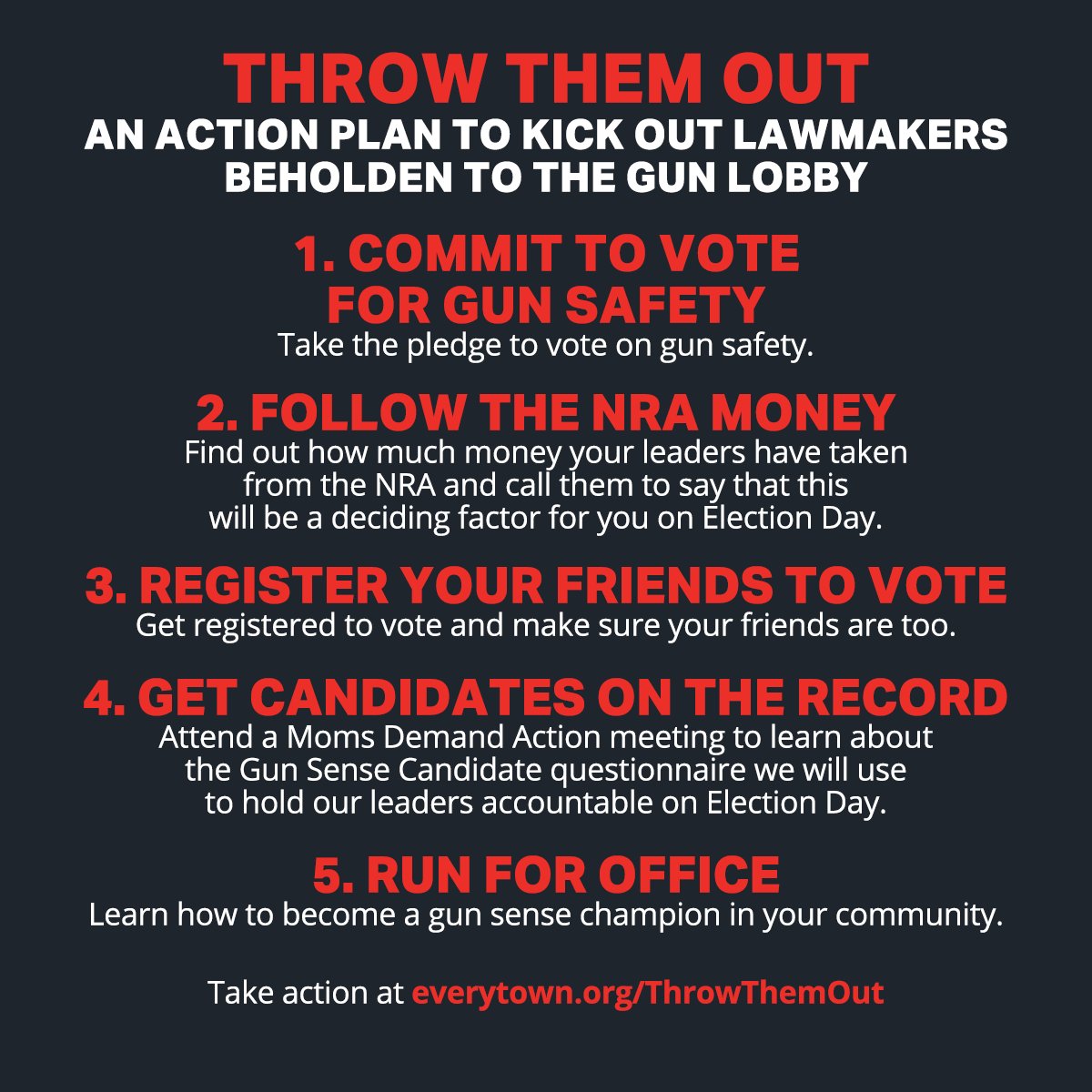
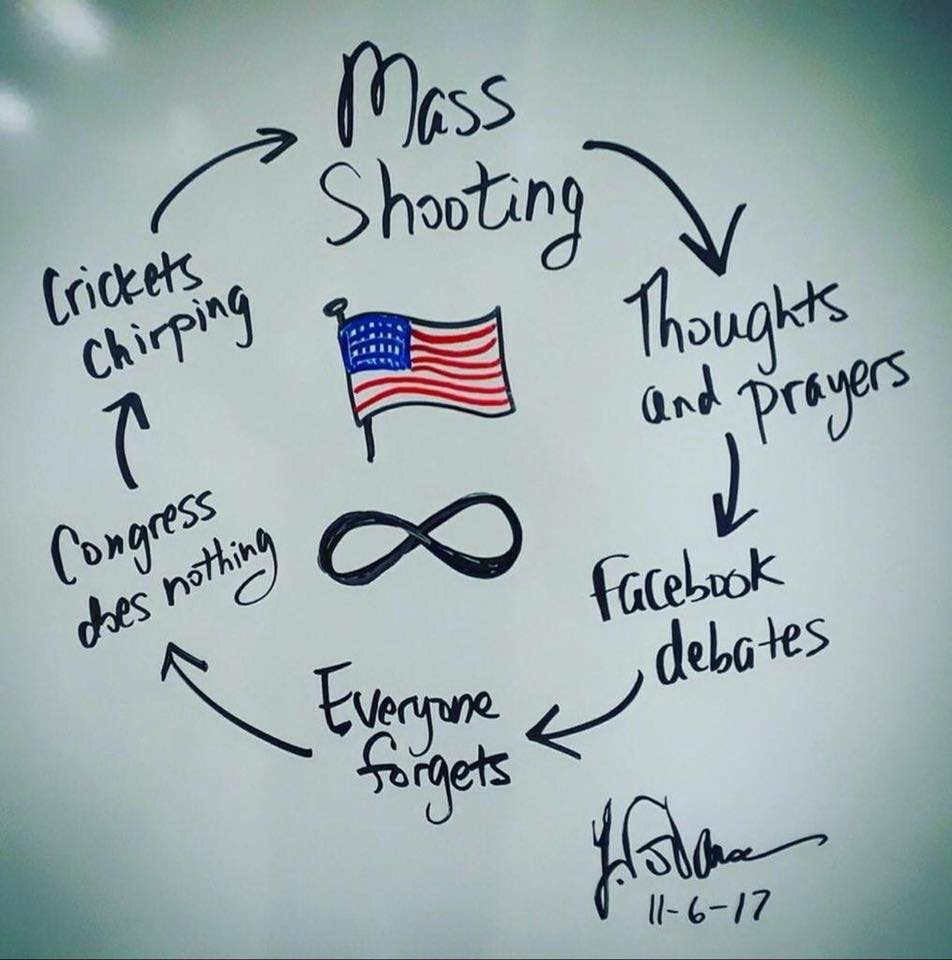
My heart was also broken: It takes me a few days for mass shootings to sink into my brain. At first, Shock – How can there be another mass shooting? How many kids died this time? Again?! Next, Anger – How did no one stop this troubled teen? How is it so easy for a kid to get guns, bullets, and alone time to mount a full-scale attack on a school? Also, Confusion – How is it possible that we live in a so-called advanced society and we don’t recognize the importance of safety for our children? How can we not agree on the most basic of needs for the most vulnerable of humans?
In his poetic charge, Rabbi Kipnes implores all of us to:
Join an organization that reflects your views Or Send a check to a candidate that reflects your views Or Attend a rally to reflect your views Or Make a donation to a group that reflects your views And then Encourage two friends to do two by two
So, I wanted to amplify this message and add my two cents.
1. Contacting our elected representatives – I know that postcard parties and sending emails are easier for the introverts than calling. I personally do not enjoy talking on the telephone either. However, everything I’ve read, for example, from INDIVISIBLE suggests CALLING is more effective than mail of any sort. Our mail and email just gets counted and reported as statistics – and we know what conservative politicians do with stats. However, actually CALLING during business hours takes up the office staff’s time. When the staffers report to their bosses, our elected representatives, they report that our CALLS take time away from the rest of their productive work day. That’s GREAT. Let’s do that. CALL. CALL. CALL. Keep a list in front of you. Crochet while you are on hold. Do whatever you can to force yourself to make these calls on the regular. (I’m going to do this awkward thing and link you to a blog post I already wrote about this: A New Resistance.)
2. We were on fire during the first 3 or 4 months of this American presidency. I know that my senators complained about the phone calls we snowflakes were putting in. Let’s get that fire back. If our team can run this marathon of resistance NOW, then it won’t turn into a full 8 years of this presidency. (Heaven, help us.)
Many Jews and Muslims are fasting tomorrow. I attached this weird but interesting article about it at the bottom of this post. Also, I ranted below – for a change.
Hineni. Oh, how I love/hate Yom Kippur! I love the liturgy of Yom Kippur. I love Yom Kippur tunes and tropes and traditions. Ki Anu Amechah! I always, always love the shofar and havdallah. But I hate fasting. So. Much. (Yes, “hate is a strong word.” That’s why I’m using it.)
I’ll think of you with love, my sisters, brothers, cousins in faith. I’ll think of your strength, your stamina, your determination, your cotton mouth.
I’ll think of those of you who cheerfully feed small children lunch while your stomach growls and your head pounds. I’ll daydream fondly about the makers of over-the-counter pain killers, starting around 3pm when my familiar YK migraine takes hold.
I’ll try to remember to cover my mouth when I talk to people because fasting breath is the worst breath.
I’ll think of my Beth Am friends who spent one post-Yom-Kippur morning at a Home Depot with me looking at sukkot blueprints and then joyously shopping for sukkot building materials.
I’ll think of my Muslim friends with admiration because they probably think that one day of fasting is a piece of cake compared to a month of fast days and because it’s so cool when our holy days line up.
I always think of the YK afternoon I fell asleep next to a dozing teen-aged RK Rachel Marder in the front row during the afternoon liturgy. I always think of Rabbi Janet Marder politely reminding everyone to take the lessons/intention/tone of Yom Kippur into the parking lot. (And how people behaved rudely in the parking lot anyway.)
I think longingly of Cantor Kay Greenwald‘s voice and of that time 2,000 people sang happy birthday to Rabbi Yoshi Zweiback at Kol Nidrei. (That was totally my idea, you know, my brother.)
I think of my stalwart clergy friends powering through Yom Kippur from the bima – teaching, speaking, chanting, singing, smiling, turning pages, blessing folks, remembering names, blowing shofarot, and, finally, happily welcoming havdallah.
I think of everyone who this year (!) won’t have to explain to work/school why we need a whole 25 hours off and why we won’t be “all there” the next day.
I always think of my grandma and my bubi who made the comfort foods that concluded Yom Kippur with joy and satisfaction and family. I think of my grandpa who washed all the dishes and who remembered the Hebrew blessing for wine, long after he forgot so many other important things by age 89.
I’ll think of you all tomorrow. I already regret not reaching out to each of you to apologize for my forgetfulness and insensitivities and errors this year. I’ll think of what I can do better next year. And I’ll re-dedicate myself to calling/writing/texting/visiting everyone I love.
And tomorrow night, this ordeal of heart/soul/body will all be over, but I hope my new hope and dedication will survive.


 Learning the Hard Way